What Makes the Florida Keys a Unique Diving Destination


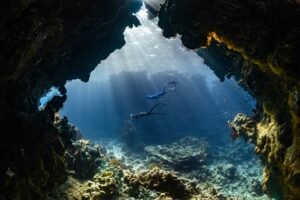
The Florida Keys offer one of the most fascinating underwater environments in the United States. This chain of tropical islands stretches from the southern tip of Florida into the warm waters between the Atlantic Ocean and the Gulf of Mexico. Beneath the surface, colorful coral reefs, diverse marine animals, and historic shipwrecks create exciting opportunities for underwater exploration.
Divers visit the Florida Keys because the region combines natural beauty with accessible diving locations. Warm water, established marine parks, and a wide range of underwater habitats make the area attractive to both beginners and experienced divers. Each dive offers an opportunity to observe marine life, discover unusual underwater landscapes, and understand the importance of ocean conservation.
A Remarkable Coral Reef Environment
One of the main reasons the Florida Keys attract divers is their extensive coral reef system. The Florida Reef Tract stretches along southeastern Florida and continues through the Keys. It forms the only extensive living coral barrier reef system in the continental United States. This natural environment supports numerous fish species, marine plants, and other ocean organisms.
Exploring these reefs allows divers to observe the relationships between coral formations and surrounding marine life. Brain corals, sea fans, and branching coral structures create habitats for fish and small invertebrates. Although warming waters, disease, and other environmental pressures have damaged many reefs, surviving coral communities remain important parts of the region’s underwater environment.
Extraordinary Marine Life Beneath the Surface
The waters surrounding the Florida Keys support a wide variety of marine animals. Divers may encounter parrotfish, angelfish, butterflyfish, barracudas, and schools of smaller reef fish. Sea turtles sometimes glide through the water, while rays move across sandy areas near coral formations. These encounters make each underwater experience different.
Marine life also changes depending on habitat and location. Shallow reefs often attract colorful fish that feed and shelter around coral structures. Deeper areas may provide opportunities to observe larger species. Divers who move slowly and maintain a respectful distance can enjoy watching natural behavior without disturbing the animals or damaging their surroundings.
Historic Shipwrecks Create Underwater Adventures
The Florida Keys offer more than natural reef diving. Numerous shipwrecks provide opportunities to explore the region’s maritime history. Some vessels sank during storms or accidents, while others were intentionally placed underwater to create artificial reefs. Over time, these structures can attract fish, corals, sponges, and other marine organisms.
The USS Spiegel Grove near Key Largo and the USNS General Hoyt S. Vandenberg near Key West are well-known examples of artificial reef sites. These large vessels attract experienced divers interested in exploring underwater structures. Because deeper wrecks involve additional risks, visitors should select sites that match their training and experience. Proper planning helps make wreck diving both educational and rewarding.
Islamorada Reveals Another Side of Ocean Beauty
Islamorada provides access to several interesting diving locations along the island chain. Its surrounding waters contain coral reefs, sandy areas, and underwater structures that support different marine communities. The region attracts visitors who enjoy combining diving with boating, fishing, and other coastal activities.
One notable location is Alligator Reef, where a historic lighthouse stands above the water. Nearby underwater habitats provide opportunities to observe reef fish and coral formations. Conditions vary with currents and weather, so local knowledge remains important. Exploring Islamorada allows divers to experience another part of the Keys while appreciating the diversity of its marine environments.
Marathon Combines Natural Reefs With Artificial Habitats
Marathon occupies a central position within the Florida Keys and provides access to several diving areas. Its surrounding waters feature coral reefs, rocky formations, and artificial structures that attract marine life. This variety allows divers to explore different underwater settings without traveling across the entire island chain.
Sombrero Reef is among the area’s best-known diving locations. The reef features coral communities and numerous fish species within relatively shallow waters. A lighthouse marks the area above the surface. Divers can observe how reef structures provide shelter and feeding opportunities for marine animals. Responsible diving practices help protect these fragile habitats from accidental damage.
Key West Offers Distinctive Underwater Experiences
Key West attracts visitors with its island culture, historic attractions, and surrounding marine environments. Beneath the water, divers can explore reefs, artificial habitats, and deeper offshore locations. The combination of natural features and maritime history makes the area appealing to people seeking varied underwater experiences.
The Vandenberg artificial reef is one of the most recognizable diving attractions near Key West. The former military vessel was intentionally sunk in 2009 and now provides habitat for marine organisms. Its size and depth make it more suitable for appropriately trained divers. Other nearby reef sites offer opportunities for visitors who prefer shallower underwater exploration.
Marine Conservation Protects the Diving Experience
The Florida Keys National Marine Sanctuary plays an important role in protecting the region’s underwater environment. The sanctuary covers thousands of square miles of coastal waters and includes coral reefs, seagrass beds, and other valuable habitats. Its management programs address threats such as pollution, habitat damage, and harmful human activities.
Conservation efforts have become increasingly important because Florida’s coral reefs face serious environmental challenges. Rising ocean temperatures, coral diseases, and declining water quality have damaged many reef communities. Restoration projects aim to support coral recovery, but long-term protection also requires broader environmental action. Divers can contribute by avoiding contact with coral, securing equipment, and following sanctuary regulations.
Why the Florida Keys Appeal to Different Diving Skill Levels
The Florida Keys provide diving opportunities for people with different experience levels. Some shallow reef sites offer relatively simple conditions during calm weather, making them suitable for supervised beginners. More experienced divers can explore deeper wrecks and locations where currents or underwater conditions require advanced skills.
Professional dive operators help visitors select appropriate locations based on training, weather, and personal comfort. Beginners can participate in instruction and guided experiences, while certified divers can explore sites suited to their qualifications. This range of opportunities allows the Florida Keys to welcome a broad diving community without requiring everyone to pursue the same type of adventure.
Planning a Safe and Memorable Diving Trip
A successful diving trip begins with understanding local conditions and personal limitations. Visitors should consider water temperature, visibility, currents, and seasonal weather before selecting dive sites. Choosing experienced operators and maintaining suitable equipment also supports safer underwater activities.
Divers should respect marine wildlife and avoid touching coral or disturbing underwater structures. Maintaining proper buoyancy helps prevent accidental reef damage. Visitors should also follow their training, use the buddy system, and remain within appropriate depth limits. These practices protect both divers and the marine environment while making underwater exploration more enjoyable.
The Enduring Appeal of Diving in the Florida Keys
The Florida Keys stand apart because they combine extensive coral reef habitats, diverse marine life, historic wrecks, and accessible coastal communities. Each island area offers a different perspective on the underwater world. From shallow coral gardens to large artificial reefs, the region provides experiences that encourage exploration and appreciation for ocean ecosystems.
The greatest value of diving in the Florida Keys extends beyond observing beautiful underwater scenery. Every visit creates an opportunity to understand the delicate relationships that support marine life. By exploring responsibly and supporting conservation, divers can help preserve these environments for future generations. The combination of natural discovery, maritime history, and environmental awareness makes the Florida Keys a distinctive diving destination.