Seasonal Population Shifts Impact Arizona Retirement Financial Planning in 2026


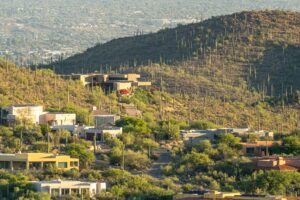
Arizona has long been one of the most attractive retirement destinations in the United States. Every year, thousands of seasonal residents travel to the state during the cooler months to enjoy warm weather, outdoor recreation, and retirement-friendly communities. These temporary residents, commonly known as snowbirds, significantly influence local economies and living expenses. As a result, retirement financial planning in Arizona requires more flexibility than many retirees initially expect.
The growing seasonal population affects housing costs, healthcare demand, taxes, transportation, and daily expenses across the state. Cities with large retiree populations often experience price increases during peak winter months, creating financial pressure for individuals living on fixed retirement income. Therefore, retirees must prepare financial strategies that account for both seasonal fluctuations and long-term economic trends.
Housing Expenses Continue to Shift Throughout the Year
Housing remains one of the largest expenses for retirees in Arizona, especially in areas that attract seasonal residents. During the winter season, demand for rental homes, retirement communities, and vacation properties rises sharply. Consequently, housing prices often increase in popular retirement cities, making it more expensive for both permanent and seasonal residents to secure accommodations.
In addition, retirees who own second homes may face rising maintenance costs, utility bills, and homeowners association fees. Seasonal occupancy can also increase repair expenses due to property wear and climate-related maintenance needs. Because of these factors, retirees should create annual housing budgets that account for changing seasonal expenses instead of relying on fixed monthly estimates.
Furthermore, the Arizona real estate market has remained competitive in recent years. Property values in retirement-focused communities continue to rise as more individuals relocate from higher-cost states. While increasing home equity may benefit some retirees, it can also raise property taxes and insurance premiums over time. Therefore, retirees should regularly review their housing-related financial obligations to avoid unexpected budget challenges.
Healthcare Costs Increase During Peak Retirement Seasons
Healthcare access is another major factor influenced by Arizona’s seasonal population growth. During the winter months, medical facilities often experience higher patient demand as temporary retirees arrive in the state. This increase can affect appointment availability, specialist access, and even healthcare pricing in certain regions.
Moreover, many retirees require ongoing treatment, prescription medications, and preventative care services throughout the year. Seasonal residents who divide their time between multiple states may face additional challenges related to insurance coverage and provider networks. For this reason, retirees should carefully evaluate Medicare plans, supplemental insurance policies, and travel health coverage before making long-term relocation decisions.
Additionally, healthcare inflation continues to impact retirement planning nationwide. Arizona retirees must prepare for rising out-of-pocket expenses, including deductibles, prescription costs, and long-term care services. Financial experts often recommend maintaining dedicated healthcare savings as part of a broader retirement strategy. This approach can help retirees manage unexpected medical costs without disrupting other financial goals.
Seasonal Spending Patterns Affect Daily Living Costs
Arizona’s seasonal economy directly impacts the cost of everyday living. As winter visitors arrive, restaurants, grocery stores, entertainment venues, and retail businesses often experience increased demand. Consequently, prices for goods and services may rise during peak retirement months, particularly in highly populated retirement communities.
At the same time, retirees may encounter increased transportation costs, including higher fuel prices and more expensive travel accommodations. Seasonal traffic congestion can also contribute to additional commuting expenses and reduced convenience for residents. Therefore, retirees living on fixed incomes should monitor seasonal spending habits carefully to maintain financial stability throughout the year.
However, the off-season may provide opportunities for cost savings. During the hotter summer months, some businesses lower prices to attract local customers as seasonal visitors leave the state. Retirees who remain in Arizona year-round can sometimes benefit from discounted dining, travel, and recreational activities during slower tourism periods. By understanding these seasonal economic patterns, retirees can make smarter spending decisions and improve long-term financial efficiency.
Investment Strategies Must Support Flexible Retirement Lifestyles
Many retirees living in Arizona maintain flexible lifestyles that include seasonal travel or dual-state residency. While this arrangement offers lifestyle benefits, it also creates additional financial responsibilities. Retirees often face higher transportation expenses, property maintenance costs, and insurance obligations when managing multiple residences.
Because of these ongoing expenses, investment planning becomes especially important. Retirees should ensure their portfolios provide sufficient liquidity to cover seasonal costs without forcing unnecessary withdrawals during unfavorable market conditions. Balanced investment strategies that combine income-producing assets with long-term growth opportunities may offer greater financial stability over time.
Additionally, inflation continues to influence retirement planning decisions across the country. Rising prices for healthcare, housing, and consumer goods can gradually reduce purchasing power for retirees. Therefore, financial advisors frequently encourage retirees to review investment allocations regularly and adjust strategies based on changing economic conditions and personal spending patterns.
Emergency savings also play a vital role in retirement planning. Unexpected expenses related to travel disruptions, medical emergencies, or property repairs may occur more frequently for retirees with seasonal living arrangements. Maintaining accessible emergency funds can help reduce financial stress while preserving long-term retirement investments.
Tax Planning Becomes More Complex for Seasonal Residents
Tax considerations are another important aspect of retirement financial planning in Arizona. Many seasonal residents spend part of the year in Arizona while maintaining legal residency elsewhere. Although this arrangement may provide tax advantages in some cases, it can also create complications involving residency status, income taxes, and estate planning.
For example, retirees must carefully track the amount of time spent in each state to avoid residency disputes or unexpected tax obligations. Some states have strict rules regarding domicile status, property ownership, and taxable income. Consequently, retirees should maintain detailed records and consult tax professionals when managing multi-state living arrangements.
In addition, Arizona’s tax structure may benefit certain retirees depending on income sources and retirement account distributions. However, individual financial situations vary significantly. Proper tax planning can help retirees reduce unnecessary liabilities while maximizing retirement income and protecting long-term assets.
Estate planning also becomes increasingly important for retirees with multiple properties or seasonal residences. Wills, trusts, and beneficiary designations should be reviewed regularly to ensure assets are protected and distributed according to personal wishes. Careful preparation can help families avoid legal complications and financial uncertainty in the future.
Long-Term Financial Flexibility Supports Retirement Success
Arizona’s seasonal population shifts continue to shape the financial realities of retirement living across the state. From housing and healthcare to taxes and investment planning, retirees face changing financial conditions that require careful preparation and ongoing attention. Fixed retirement budgets may no longer provide enough flexibility to manage these evolving economic factors effectively.
Therefore, successful retirement planning depends on adaptability and long-term financial awareness. Retirees who regularly evaluate expenses, update investment strategies, and prepare for seasonal cost fluctuations are often better positioned to maintain financial security. With thoughtful planning and disciplined budgeting, Arizona can remain an appealing and rewarding destination for retirees seeking both comfort and financial stability.